What Can Increase or Decrease Your Plumbing Costs With Plumbing Contractors?
Plumbing work can range from a relatively simple repair to a major installation or replacement project. Because every property and plumbing system is different, the final price of a project can vary based on several factors. The type of service, the condition of existing plumbing, the materials required, accessibility, and the complexity of the work can all affect the total expense. Understanding what can influence pricing can help homeowners and property owners prepare for plumbing projects and make informed decisions when arranging professional service.
Type And Scope Of The Plumbing Work
The type of plumbing service needed is one of the biggest factors that can influence the overall price. A straightforward repair may require less time and fewer materials than a larger project involving multiple fixtures, extensive piping, or a complete system replacement.
For example, replacing a single fixture may involve a relatively limited scope of work, while installing new plumbing throughout a property can require significantly more labor and materials. Emergency plumbing situations may also require immediate attention, which can affect scheduling and the resources needed to address the problem.
Before work begins, it can be helpful to clearly identify the plumbing issue and determine which services are actually necessary. A professional evaluation can help establish the scope of the project and identify problems that may not be immediately visible.
Condition Of Existing Plumbing
The condition of a property’s existing plumbing system can have a significant effect on project expenses. Older or deteriorated pipes may require additional repairs or replacement before new plumbing components can be installed properly.
Hidden problems can also become apparent once work begins. Corrosion, leaks, damaged connections, clogged lines, or deteriorated piping may require additional attention. Addressing these issues can increase the scope of the project, but resolving underlying problems can help prevent recurring plumbing issues.
The location of the problem matters as well. A plumbing issue that is easy to access may require less labor than one located behind walls, beneath flooring, or in another difficult-to-reach area. More involved access requirements can increase the time necessary to complete the work.
Materials And Fixtures
The materials selected for a plumbing project can also influence the total price. Pipes, fittings, valves, faucets, water heaters, toilets, sinks, and other components are available in a range of options and price points.
Some projects may require specialized materials because of the property’s existing plumbing system or the nature of the installation. Homeowners may also choose upgraded fixtures based on appearance, functionality, or personal preferences.
Material availability can affect scheduling and expenses, particularly when a specific component needs to be specially ordered. Discussing available options with plumbing professionals can help property owners understand how different materials and fixtures may affect the project’s overall budget.
Labor, Accessibility, And Project Complexity
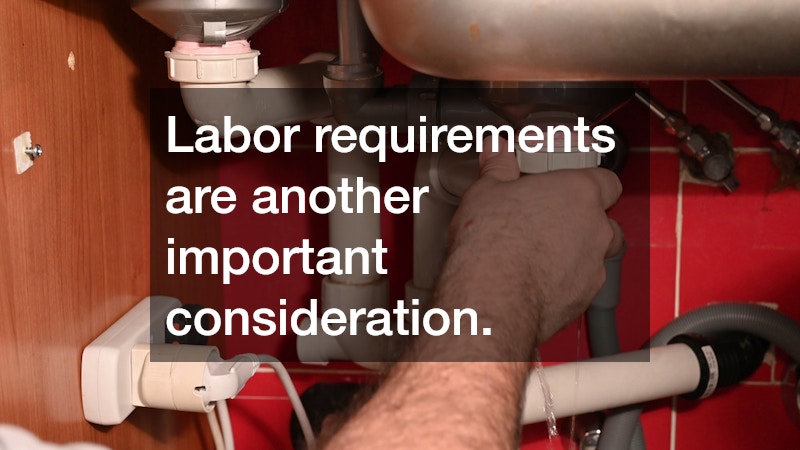
Labor requirements are another important consideration. Projects that are straightforward and easy to access may take less time than complicated plumbing work involving multiple areas of a property.
Accessibility can make a substantial difference. Pipes or fixtures located in open, accessible areas may be easier to repair than plumbing components located inside walls, underneath floors, or in cramped spaces. Additional preparation may be necessary before technicians can reach the affected area.
The complexity of the plumbing system can also influence the amount of work involved. Installing or modifying plumbing across multiple rooms may require careful planning and coordination. Projects involving extensive renovations may require plumbing work to be completed alongside other construction tasks, which can add additional considerations to the process.
Working with experienced plumbing contractors can help property owners better understand the labor and technical requirements associated with their particular project. A detailed estimate can provide greater clarity about the services, materials, and work involved.
Many factors can increase or decrease the overall price of a plumbing project. The type and scope of the work, condition of existing plumbing, material choices, accessibility, labor requirements, and project complexity can all play a role.
Rather than focusing only on the initial price, property owners should consider the condition of the plumbing system and the long-term needs of the property. Identifying problems early and selecting appropriate materials can help support a practical approach to plumbing maintenance and improvements.
Plumbing contractors can evaluate the specific requirements of a property and help determine the appropriate course of action. With a clear understanding of the project’s scope and potential factors affecting the price, homeowners and property owners can plan more effectively for necessary plumbing work.