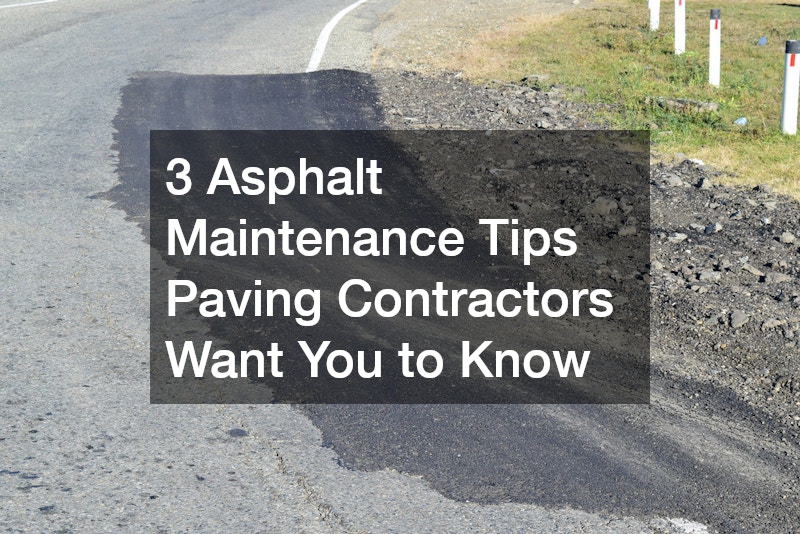
3 Asphalt Maintenance Tips Paving Contractors Want You to Know
Maintaining asphalt surfaces might seem straightforward, but there’s more to it than simply filling cracks or sealing surfaces. Proper upkeep not only extends the lifespan of driveways, parking lots, and roads but also prevents costly repairs down the line. Experienced paving contractors emphasize a few essential practices that ensure asphalt remains durable, safe, and visually appealing for years. Understanding these tips can save property owners both time and money while keeping their asphalt in top condition.
1. Regular Cleaning and Debris Removal
One of the simplest yet most effective ways to maintain asphalt is keeping it clean. Dirt, leaves, and debris may seem harmless, but over time, they can trap moisture against the surface, accelerating wear and promoting the growth of mold, algae, or even moss in shaded areas.
Moisture is particularly damaging because it can seep into small cracks, expand during freeze-thaw cycles, and gradually erode the pavement from the base upward. Contractors recommend sweeping, using a blower, or even applying a gentle pressure wash to remove debris on a regular schedule, especially after storms, heavy winds, or seasonal leaf drop.
Additionally, oil spills, chemical stains, and other contaminants should be addressed promptly to prevent chemical breakdown of the asphalt binder. Using a mild detergent and water to clean affected areas, followed by thorough rinsing, can significantly slow surface deterioration. Maintaining a clean surface not only extends the life of the pavement but also enhances the overall curb appeal, making the property look well-kept, professional, and inviting—a factor that is particularly important for commercial properties, retail centers, and any location where first impressions matter.
2. Sealcoating to Protect Against Weather and Wear
Sealcoating is a crucial preventative measure for asphalt maintenance, providing a protective barrier against water, UV rays, and the everyday wear caused by vehicle traffic. Without this layer, asphalt can dry out, crack, fade, and lose its structural integrity, shortening its overall lifespan. Reputable paving contractors typically recommend applying a sealcoat every two to three years, though the timing can vary depending on traffic volume, climate, and exposure to sunlight or harsh weather conditions. The process begins with a thorough cleaning of the asphalt, followed by repairing minor cracks and imperfections to ensure a smooth, even surface. The sealcoat is then applied carefully across the entire area, creating a uniform protective layer.
Beyond preventing damage, sealcoating restores a deep, rich color that enhances curb appeal, making driveways, parking lots, and roadways look well-maintained. Regular application also helps slow oxidation, minimize the effects of heavy vehicle loads, and reduce the frequency of costly repairs, making it a long-term, cost-effective investment for both residential and commercial properties seeking durable and visually appealing asphalt surfaces.
3. Timely Crack and Pothole Repairs
Even with regular cleaning and sealcoating, cracks and potholes can eventually appear, particularly in areas with heavy traffic or extreme weather fluctuations. Addressing these issues promptly is essential to prevent them from worsening and causing more extensive damage. Small cracks allow water to penetrate the base layers of asphalt, leading to larger fissures, potholes, and even structural deterioration over time. Contractors often stress the importance of using the correct repair techniques for each type of damage.
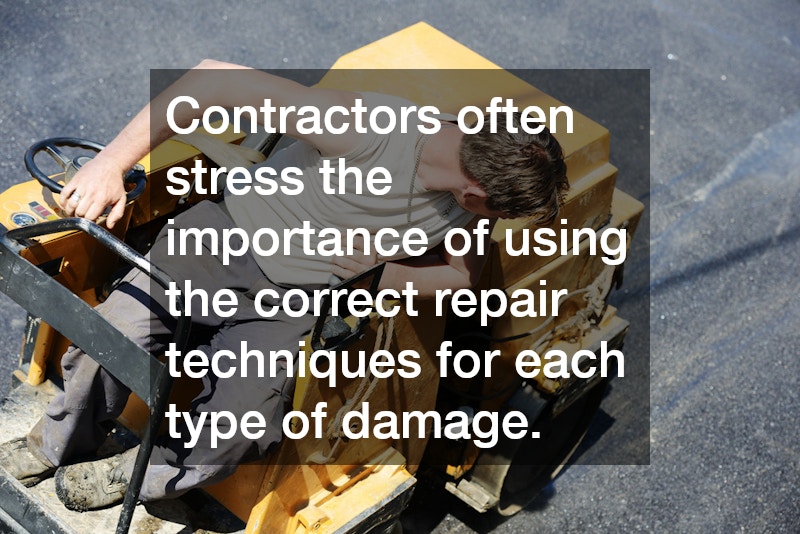
Crack filling is ideal for minor fissures and involves injecting a specialized sealant to block water intrusion and restore surface integrity. Pothole repair, however, often requires removing the damaged asphalt, preparing the underlying base to ensure proper compaction, and applying new asphalt material. In addition to preventing further deterioration, early repairs help maintain proper drainage, reduce the risk of uneven surfaces, and extend the overall lifespan of the pavement. Tackling these problems promptly not only saves money in the long term by avoiding costly resurfacing projects but also enhances safety for vehicles, cyclists, and pedestrians, minimizing the risk of accidents caused by uneven or deteriorated pavement. Regular inspections and timely maintenance are key strategies that contractors recommend to keep asphalt surfaces safe, functional, and visually appealing.
Proper asphalt maintenance is a combination of consistent cleaning, protective sealcoating, and timely repairs. Each of these steps plays a critical role in extending the lifespan of asphalt surfaces and preventing costly damage. Following the guidance of experienced paving contractors allows property owners to maintain safe, attractive, and long-lasting pavement. Whether it’s a residential driveway or a commercial parking lot, investing time and effort into routine upkeep ensures the asphalt remains strong, functional, and visually appealing for years to come.