How to Eliminate Drain Odors Before They Get Worse
A foul smell coming from your drains is more than just an unpleasant nuisance. It can indicate a buildup of debris, bacteria, or plumbing issues that should be addressed before they become larger problems. While some odors have simple causes, others may point to concerns that require closer attention. Ignoring these warning signs can allow unpleasant smells to spread throughout your home and may even contribute to more extensive plumbing issues over time. Many homeowners seek guidance from plumbing companies when recurring drain odors do not improve with basic maintenance. Understanding what causes these smells and how to eliminate them can help keep your plumbing system functioning properly while maintaining a cleaner and more comfortable home.
Identify the Source of the Odor
The first step in eliminating drain odors is determining where the smell is coming from. Kitchen sinks, bathroom drains, laundry rooms, and floor drains can all develop unpleasant odors for different reasons. Food particles, soap residue, grease, and hair often collect inside drainpipes, creating an ideal environment for bacteria to grow. As these materials begin to break down, they can produce strong odors that travel through the plumbing system. Identifying the affected drain allows homeowners to focus their cleaning efforts more effectively. Checking multiple drains throughout the home can also help determine whether the issue is isolated or more widespread. Taking time to locate the source prevents unnecessary guesswork and supports a more effective solution.
Clean Drains Regularly
Routine cleaning is one of the easiest ways to prevent drain odors from developing. Even when water flows normally, residue can accumulate inside pipes over time. Removing this buildup helps reduce the bacteria and organic material responsible for unpleasant smells. Flushing drains with hot water can help loosen minor grease and soap deposits. Using a drain brush designed for plumbing fixtures can also remove debris that clings to the inside of the pipe. Avoid allowing food scraps, grease, coffee grounds, or excessive hair to enter drains whenever possible. Consistent cleaning habits help keep drains fresher while reducing the likelihood of future odor problems.
Check the Drain Trap
Every sink, shower, and floor drain contains a drain trap designed to hold a small amount of water. This water creates a seal that blocks sewer gases from entering the home through the plumbing system. If a drain is rarely used, the water inside the trap can evaporate, allowing unpleasant odors to escape. Running water into infrequently used drains replenishes the trap and restores the protective barrier. This simple step is often overlooked but can quickly eliminate persistent odors. Homeowners should periodically check guest bathrooms, basement drains, and utility sinks that receive little use. Keeping drain traps filled helps prevent unwanted smells from entering indoor living spaces.
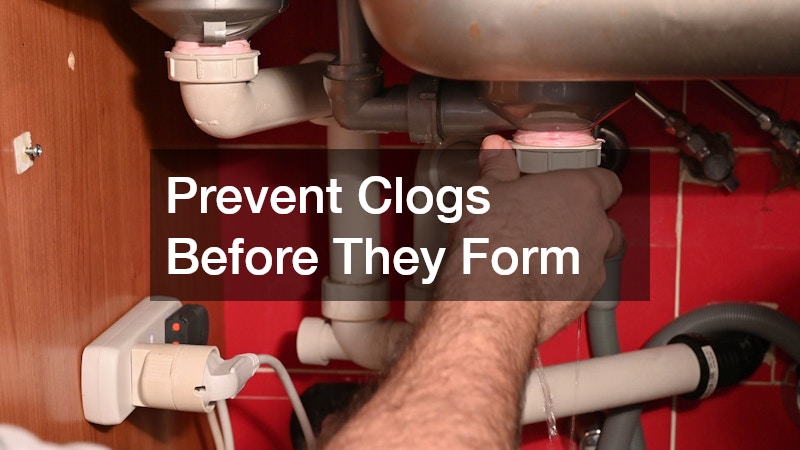
Prevent Clogs Before They Form
Drain odors often develop when slow-moving clogs begin trapping debris inside pipes. Hair, grease, soap scum, and food waste gradually accumulate, creating conditions that encourage bacteria growth. Preventing clogs before they fully develop can reduce odor problems while helping drains continue flowing efficiently. Drain strainers can capture larger debris before it enters the plumbing system. Proper disposal of cooking grease and food waste also minimizes buildup inside kitchen drains. Regular maintenance helps reduce the need for more extensive drain cleaning later. Preventative habits contribute to healthier plumbing and fewer unpleasant surprises.
Watch for Signs of Larger Plumbing Issues
Not every drain odor is caused by simple buildup inside the pipes. Persistent smells that return quickly after cleaning may indicate a larger plumbing concern. Damaged vent pipes, sewer line issues, or hidden leaks can all contribute to recurring odors throughout the home. Additional warning signs may include slow drainage, gurgling sounds, or water backing up into sinks or tubs. These symptoms should not be ignored because they may signal problems beyond routine maintenance. Addressing these issues early can help prevent more extensive repairs. Paying attention to changes in your plumbing system allows problems to be identified before they become more serious.
Some drain odor problems require more than routine household maintenance. If unpleasant smells continue despite regular cleaning or if multiple drains are affected, professional inspection may be necessary. Prompt attention helps prevent minor issues from developing into more costly repairs. Professional evaluations provide homeowners with a clearer understanding of the source of recurring odors. Addressing problems early helps maintain a cleaner, healthier, and more comfortable home.
Keep Your Plumbing System Fresh
Preventing drain odors begins with consistent maintenance and early attention to warning signs. Regular cleaning, proper waste disposal, and routine inspections all contribute to a healthier plumbing system. Small preventative measures can reduce the buildup that often leads to unpleasant smells while supporting better overall drain performance. Monitoring your plumbing throughout the year also helps identify changes before they become major concerns. When persistent odors develop, seeking professional assistance can provide long-term solutions and protect your home’s plumbing system. Staying proactive helps eliminate drain odors before they become larger and more expensive problems.