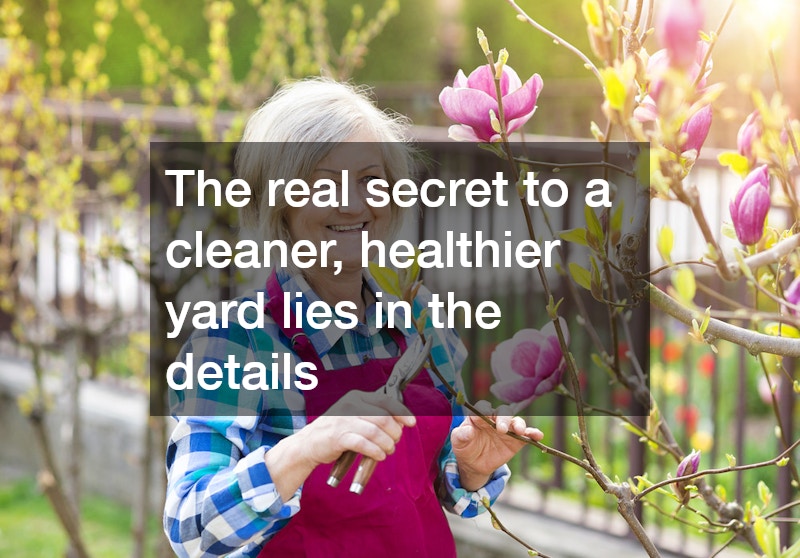
The Secret to a Cleaner, Healthier Yard
A beautiful yard doesn’t happen by accident. Behind every lush lawn, vibrant garden, and neatly mulched bed is a thoughtful approach to maintenance that balances aesthetics with environmental care. Many homeowners focus on mowing, watering, and planting, but the real secret to a cleaner, healthier yard lies in the details—especially how you manage organic debris, soil health, and airflow. One often-overlooked technique that plays a surprisingly important role is bark blowing.
At first glance, yard care might seem straightforward: cut the grass, pull the weeds, and maybe add some fertilizer. However, these basic steps only scratch the surface.
A truly thriving yard depends on consistent care practices that support plant health while maintaining cleanliness and structure. This includes proper mulching, efficient debris removal, and ensuring that nutrients are distributed evenly across your landscape.
Mulch is a cornerstone of yard health. It helps regulate soil temperature, retain moisture, suppress weeds, and improve overall soil quality as it decomposes. But not all mulching methods are created equal. Traditional spreading techniques can be uneven, time-consuming, and physically demanding. This is where bark blowing comes into play. By using specialized equipment to distribute mulch evenly across large areas, bark blowing ensures consistent coverage without damaging existing plants or compacting the soil.
Beyond efficiency, bark blowing also contributes to a cleaner yard. Uneven mulch piles can create messy, cluttered spaces that detract from your yard’s appearance. With this method, mulch is applied precisely where it’s needed, creating a uniform, polished look. This not only enhances curb appeal but also reduces the likelihood of mulch runoff during heavy rain, keeping your yard tidy over time.
Another key factor in maintaining a healthy yard is proper debris management. Leaves, twigs, and organic waste can accumulate quickly, especially during seasonal changes. While some organic matter can benefit your soil, excessive buildup can lead to problems such as mold growth, pest infestations, and poor air circulation. Regular cleanup is essential, but it’s equally important to handle debris in a way that supports long-term soil health.
Composting is an excellent solution for managing yard waste. By converting organic debris into nutrient-rich compost, you can create a natural fertilizer that enriches your soil without relying on synthetic chemicals. This closed-loop approach not only reduces waste but also promotes a more sustainable yard care routine. When combined with proper mulching techniques like bark blowing, composting can significantly improve soil structure and fertility.
Water management is another critical component of a cleaner, healthier yard. Overwatering can lead to root rot, fungal diseases, and wasted resources, while underwatering can stress plants and stunt growth. The goal is to find a balance that meets your yard’s specific needs. Mulch plays an important role here as well, helping to retain moisture and reduce evaporation. By maintaining a consistent layer of mulch, you can minimize the need for frequent watering and create a more resilient landscape.
Aeration is often overlooked but is vital for soil health. Over time, soil can become compacted, especially in high-traffic areas. Compacted soil restricts the flow of air, water, and nutrients to plant roots, leading to poor growth and increased vulnerability to disease. Regular aeration helps loosen the soil, allowing roots to breathe and absorb essential nutrients more effectively. When paired with proper mulching and debris management, aeration can dramatically improve your yard’s overall health.
Weed control is another challenge that homeowners face. Weeds compete with desirable plants for nutrients, water, and sunlight, often spreading quickly if left unchecked. A well-maintained layer of mulch can act as a natural barrier, preventing weed seeds from taking root. Techniques like bark blowing ensure that this protective layer is evenly distributed, maximizing its effectiveness and reducing the need for chemical herbicides.
In addition to these practical benefits, maintaining a clean and healthy yard has a positive impact on your well-being. A well-kept outdoor space provides a place to relax, entertain, and connect with nature. It can also increase property value and create a welcoming environment for guests. By investing time and effort into proper yard care practices, you’re not just improving your landscape—you’re enhancing your quality of life.
Ultimately, the secret to a cleaner, healthier yard is a combination of smart techniques and consistent maintenance. From efficient mulching methods like bark blowing to sustainable practices such as composting and proper watering, every detail plays a role in creating a thriving outdoor space. By focusing on these often-overlooked aspects of yard care, you can achieve a landscape that is not only beautiful but also resilient and environmentally friendly.
With the right approach, your yard can become more than just a patch of grass—it can be a vibrant, living ecosystem that supports both plant life and personal enjoyment. And sometimes, the biggest difference comes from the smallest details.