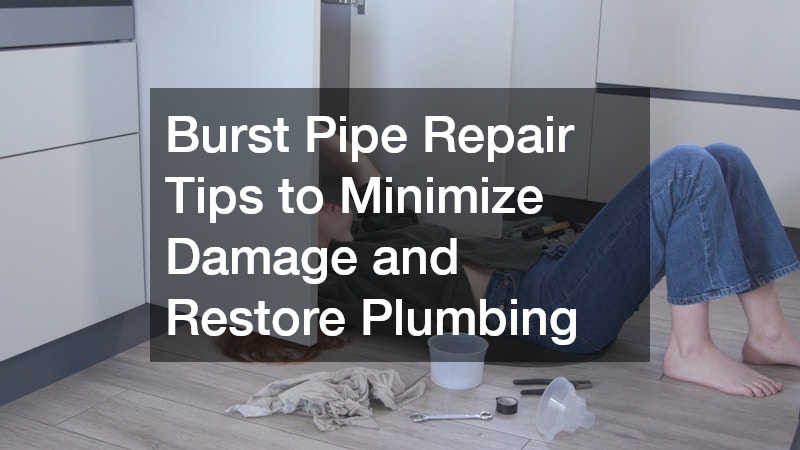
Burst Pipe Repair Tips to Minimize Damage and Restore Plumbing
Burst pipe repair becomes a critical concern when unexpected plumbing issues strike, often caused by freezing temperatures, pressure buildup, or aging pipes. When water inside pipes freezes, it expands and increases pressure, which can cause the pipe to crack or burst. Older plumbing systems are also more vulnerable to wear and corrosion, making them more likely to fail under stress.
The goal of this guide is to help homeowners understand how to respond effectively, minimize damage, and restore plumbing systems as efficiently as possible.
Immediate Steps to Take After a Pipe Bursts
When a pipe bursts, urgency is everything. The faster you respond, the more you can limit damage to your home. Safety should always come first, especially if water is near electrical outlets or appliances.
Homeowners should focus on stopping the flow of water and relieving pressure within the plumbing system. These first steps are essential in preventing further flooding and setting the stage for successful burst pipe repair.
Shut Off the Main Water Supply
The first and most important step is to shut off the main water supply. This valve is typically located in a basement, crawl space, garage, or near the exterior of the home. Turning it off immediately stops water from continuing to flow through the damaged pipe.
By cutting off the water supply, you can prevent additional flooding and reduce the amount of damage that occurs. This step alone can make a significant difference in how extensive the repairs will be.
Drain Remaining Water From the System
After shutting off the water, it is important to drain the remaining water from your plumbing system. Turn on all faucets, starting with the lowest point in your home, to allow water to flow out and relieve pressure.
This helps reduce additional leakage and prevents leftover water from continuing to escape through the damaged pipe.
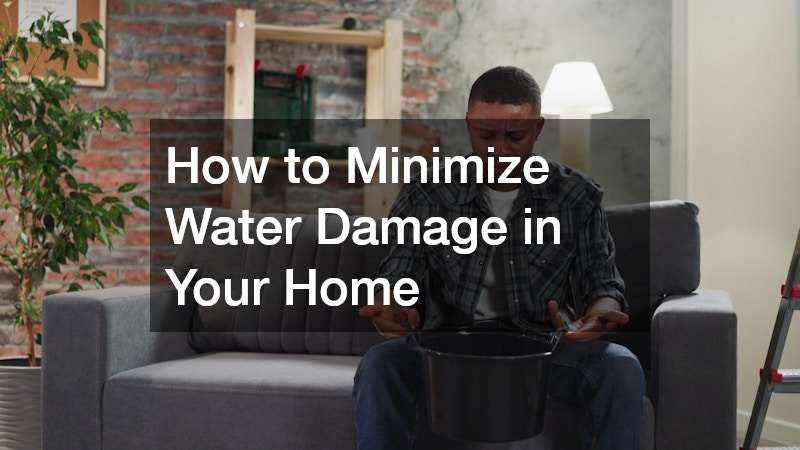
How to Minimize Water Damage in Your Home
Once the immediate flow of water is under control, the next priority is minimizing damage to your home. Water can quickly seep into floors, walls, and furniture, leading to long-term structural issues if not addressed promptly.
Quick cleanup is essential to protect both your property and indoor environment. The sooner you remove water and moisture, the better your chances of avoiding costly repairs.
Remove Standing Water Quickly
Standing water should be removed as quickly as possible using towels, mops, buckets, or a wet vacuum. The longer water sits, the more likely it is to penetrate flooring and drywall.
Fast removal helps prevent warping, staining, and mold growth. It also creates a safer environment for homeowners and professionals working on burst pipe repair.
Temporary Fixes Before Professional Repair
While waiting for professional help, temporary fixes can help stabilize the situation. These solutions are not permanent, but they can slow leaks and reduce further damage until proper burst pipe repair is completed.
It is important to remember that these methods are only short-term measures and should not replace professional service.
Apply a Pipe Clamp or Repair Tape
Pipe clamps and repair tape are common tools used to control leaks in damaged pipes. These materials can be applied directly over cracks or splits to reduce water flow.
While they are effective for small issues, they are not designed to withstand long-term pressure.
When to Call for Professional Burst Pipe Repair
Although temporary solutions can help in the short term, professional burst pipe repair is essential for fully resolving the issue. Delaying expert help can lead to worsening damage, higher repair costs, and potential health risks from mold or water contamination.
Professional plumbers have the tools and experience to identify the root cause of the problem, repair or replace damaged sections, and test the system to ensure everything is functioning properly. They also provide long-term solutions that prevent the same issue from happening again.
Preventing Future Burst Pipes
After addressing the immediate issue, it is important to focus on prevention.
Insulating exposed pipes is one of the most effective ways to protect them from freezing temperatures. Keeping your home at a consistent indoor temperature also helps prevent sudden pressure changes within the plumbing system.
Regular plumbing inspections can identify weak points, corrosion, or other vulnerabilities before they become serious problems.
By prioritizing fast action and seeking professional burst pipe repair, homeowners can restore their plumbing systems efficiently and avoid costly complications.